






Published: August 17, 2026
What Is Contract Lifecycle Management? Meaning, Steps, and Process
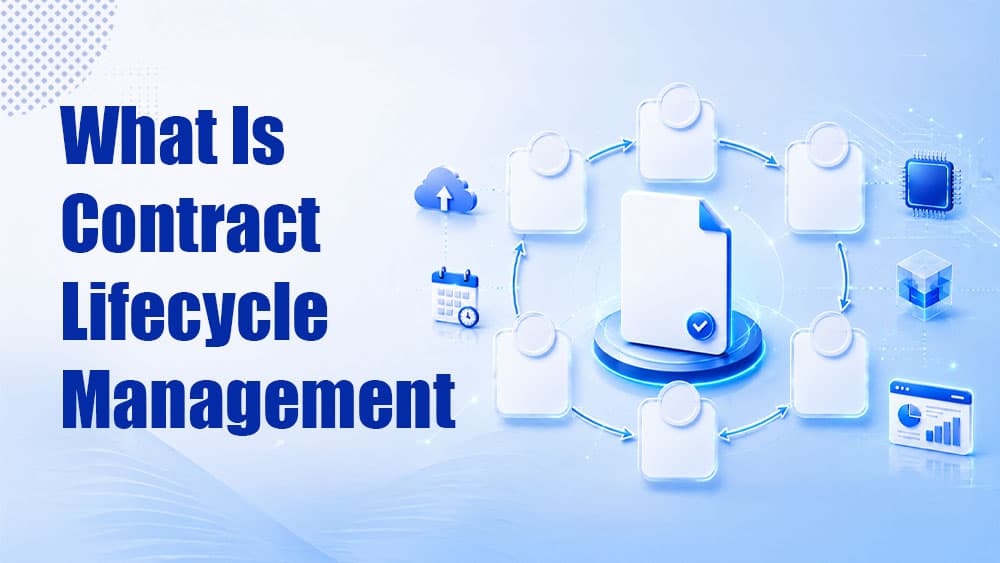
Contract Lifecycle Management (CLM) is a structured approach to managing contracts from the initial request and drafting stage through negotiation, approval, execution, monitoring, renewal, and eventual closure. It helps businesses reduce contract-related risks, improve compliance, accelerate approvals, and maintain better visibility into contractual obligations.
For organisations managing hundreds or thousands of supplier or procurement contracts, a well-defined CLM process can make contract management faster, more organised, and less dependent on manual follow-ups.
What Is Contract Lifecycle Management?
Contract Lifecycle Management (CLM) refers to the systematic process of creating, reviewing, negotiating, approving, executing, managing, and renewing or terminating contracts throughout their entire lifecycle. Instead of treating a contract as a document that is simply signed and stored, CLM manages the complete journey of a contract. It brings together people, processes, documents, approvals, compliance requirements, and contract data in one organised framework.
Why Is Contract Lifecycle Management Important?
Contracts often involve multiple stakeholders, including procurement teams, legal departments, finance teams, suppliers, customers, and business managers. Without a structured process, organisations may face delays, missed deadlines, incorrect clauses, compliance issues, and financial losses.
CLM helps businesses:
- Reduce contract creation and approval time
- Standardise contract templates and clauses
- Improve collaboration between departments
- Track contractual obligations and deadlines
- Reduce compliance and legal risks
- Prevent missed renewals and expirations
- Improve visibility into contract performance
- Maintain a centralised contract repository
- Reduce manual paperwork and administrative work
- Support better procurement and supplier management
What Are the Stages of Contract Lifecycle Management?
The contract lifecycle can vary from organisation to organisation, but it generally consists of the following stages:
1. Contract Request and Initiation
The process starts when a business identifies the need for a new contract. This could be a supplier agreement, purchase contract, service agreement, partnership agreement, employment contract, or customer agreement.
The requesting team provides essential information such as:
- Purpose of the contract
- Parties involved
- Scope of work
- Commercial terms
- Expected contract value
- Start and end dates
- Required approvals
A standardised intake process helps ensure that the right information is available before drafting begins.
2. Contract Drafting
Once the contract request is approved, the agreement is drafted using an appropriate template or from scratch.
Businesses can use standard templates for frequently used contracts to improve consistency and reduce drafting time. Key elements may include pricing, payment terms, delivery requirements, service levels, warranties, confidentiality, liabilities, termination conditions, and dispute resolution. Using approved clauses and templates can also help reduce unnecessary legal and commercial risks.
3. Contract Review
The draft contract is reviewed by relevant stakeholders. Depending on the agreement, this may involve legal, procurement, finance, compliance, IT, operations, or management teams.
During this stage, reviewers check:
- Contract terms and conditions
- Pricing and payment clauses
- Legal obligations
- Compliance requirements
- Risk exposure
- Service-level commitments
- Confidentiality provisions
- Termination and renewal conditions
A structured review workflow helps prevent important clauses from being overlooked.
4. Contract Negotiation
After the initial review, the parties negotiate the terms of the agreement. Negotiations may cover price, payment schedules, delivery timelines, warranties, service levels, liabilities, termination rights, or other commercial and legal conditions.
Multiple versions of a contract may be exchanged during negotiation. CLM processes help maintain version control and provide visibility into changes, reducing the risk of accidentally using an outdated version.
5. Approval
Once negotiations are completed, the contract moves through the required internal approval workflow. For example, a contract may require approval from:
Business Team → Procurement → Finance → Legal → Authorised Management
The approval path can depend on factors such as contract value, category, risk level, supplier type, or business unit. Automated approval workflows can reduce bottlenecks and provide a clear record of who approved the agreement.
6. Contract Execution and Signing
After all required approvals are received, the final contract is sent to the authorised parties for signing. Electronic signatures can make execution faster by eliminating physical paperwork and enabling stakeholders to sign remotely. Once signed, the executed version should be securely stored in a central repository.
7. Contract Storage and Management
After execution, contracts need to remain accessible throughout their active period. A centralised contract repository can help teams quickly find agreements, amendments, supporting documents, and related information.
Important metadata can include:
- Contract number
- Supplier or customer name
- Contract value
- Effective date
- Expiration date
- Renewal date
- Contract owner
- Payment terms
- Key obligations
- Contract status
Proper contract storage also improves audit readiness and organisational visibility.
8. Contract Performance and Obligation Management
Signing a contract is not the end of the process. Businesses must monitor whether both parties are meeting their contractual obligations. For example, a procurement team may need to monitor:
- Delivery schedules
- Product quality
- Pricing commitments
- Service-level agreements
- Payment terms
- Warranty obligations
- Performance targets
9. Renewal and Expiration Management
Contracts often have specific renewal or expiration dates. Missing these dates can result in service interruptions, unwanted auto-renewals, or financial losses. CLM systems can provide alerts for upcoming milestones, allowing teams to decide whether to:
- Renew the contract
- Renegotiate terms
- Modify the agreement
- Switch suppliers
- Terminate the contract
10. Contract Renewal, Amendment, or Termination
At the end of the contract period, the organisation decides what happens next. If the agreement continues, the contract may be renewed. If business requirements have changed, the parties may negotiate amendments.
All amendments, renewals, and termination records should be linked to the original agreement for complete contract history.
Contract Lifecycle Management Process
The CLM process can be represented as a continuous workflow:
Contract Request → Drafting → Review → Negotiation → Approval → Signing → Storage → Performance Monitoring → Renewal/Amendment → Expiration or Termination
This process ensures that contract management continues beyond signing and covers the entire contractual relationship.
Key Components of a Contract Lifecycle Management System
A modern CLM approach typically includes several important capabilities.
- Centralised Contract Repository: Stores contracts and related documents in one searchable location, making it easier for authorised users to access the latest versions.
- Automated Workflows: Routes contracts to the right stakeholders for review and approval based on predefined business rules.
- Document and Version Management: Keeps track of contract versions, amendments, revisions, and final executed documents.
- E-Signature Integration: Allows authorised parties to sign contracts digitally and speeds up the execution process.
- Obligation Tracking: Helps organisations monitor contractual commitments, milestones, deliverables, and deadlines.
- Alerts and Notifications: Provides reminders for contract expiry, renewal, payment milestones, insurance certificates, and other important dates.
- Reporting and Analytics: Provides visibility into contract volumes, values, vendors, renewal schedules, approval times, and other contract-related data.
- Compliance and Audit Trails: Maintains records of contract changes, approvals, communications, and execution activities to support compliance and audits.
Benefits of Contract Lifecycle Management
1. Faster Contract Processing
Standard templates, automated workflows, and digital approvals can reduce the time required to create and execute contracts.
2. Better Contract Visibility
A centralised repository allows authorised teams to quickly find contracts and understand their status.
3. Reduced Risk
Standardised clauses, approval workflows, and compliance checks can help reduce legal and operational risks.
4. Improved Compliance
CLM makes it easier to track contractual obligations and ensure that teams follow internal policies and external requirements.
5. Fewer Missed Deadlines
Automated reminders help prevent missed renewal, expiration, payment, and compliance dates.
6. Better Supplier Management
For procurement teams, CLM provides greater visibility into supplier agreements, pricing, service commitments, and contractual performance.
7. Reduced Administrative Work
Automating repetitive tasks such as routing, reminders, approvals, and document management allows teams to spend more time on strategic activities.
8. Improved Collaboration
Legal, procurement, finance, operations, and business teams can work through a common contract workflow instead of managing documents separately.
Contract Lifecycle Management vs Traditional Contract Management
Traditional contract management often relies heavily on emails, spreadsheets, shared folders, physical documents, and manual reminders.
CLM introduces a more structured and technology-enabled approach.
Traditional Contract Management | Contract Lifecycle Management |
Manual document handling | Centralised digital repository |
Email-based approvals | Automated approval workflows |
Manual deadline tracking | Automated alerts and reminders |
Difficult version control | Structured version management |
Limited contract visibility | Centralised contract visibility |
Reactive risk management | Proactive monitoring |
Manual reporting | Contract analytics and dashboards |
How Does CLM Help Procurement Teams?
Contract lifecycle management is particularly valuable for procurement because purchasing agreements often involve multiple suppliers, pricing conditions, delivery commitments, service levels, and compliance requirements.
A procurement-focused CLM process can help teams:
- Standardise supplier contracts
- Track negotiated pricing
- Monitor supplier obligations
- Manage contract renewals
- Identify upcoming expirations
- Maintain supplier documentation
- Improve compliance
- Reduce contract-related procurement risks
- Connect contractual terms with purchasing activities
When integrated with procurement and source-to-pay processes, CLM can provide better visibility from sourcing and negotiation through purchasing and supplier performance.
Best Practices for Effective Contract Lifecycle Management
Businesses can improve their CLM processes by following these practices:
- Standardise contract templates for frequently used agreements.
- Define clear approval workflows based on contract value, risk, and category.
- Create a central contract repository for easy access and search.
- Assign contract owners to monitor key obligations.
- Automate renewal and expiration reminders.
- Maintain proper version control throughout negotiations.
- Track contract performance against agreed terms.
- Integrate CLM with procurement, ERP, CRM, and e-signature systems where appropriate.
- Use contract analytics to identify risks, costs, and upcoming actions.
- Regularly review and improve the CLM process based on business requirements.
Final Thoughts
Contract Lifecycle Management is more than simply storing signed agreements. It is a structured approach to managing every stage of a contract - from request, drafting, review, negotiation, and approval to execution, monitoring, renewal, and termination.
For businesses with complex procurement and supplier networks, an effective CLM process can improve visibility, reduce risks, accelerate approvals, strengthen compliance, and help teams make better commercial decisions. As organisations move towards digital procurement, integrating CLM with procurement, ERP, finance, and supplier management systems can create a more connected and efficient contract management ecosystem.