






Published: June 1, 2026
Types And Importance of Logistics Management
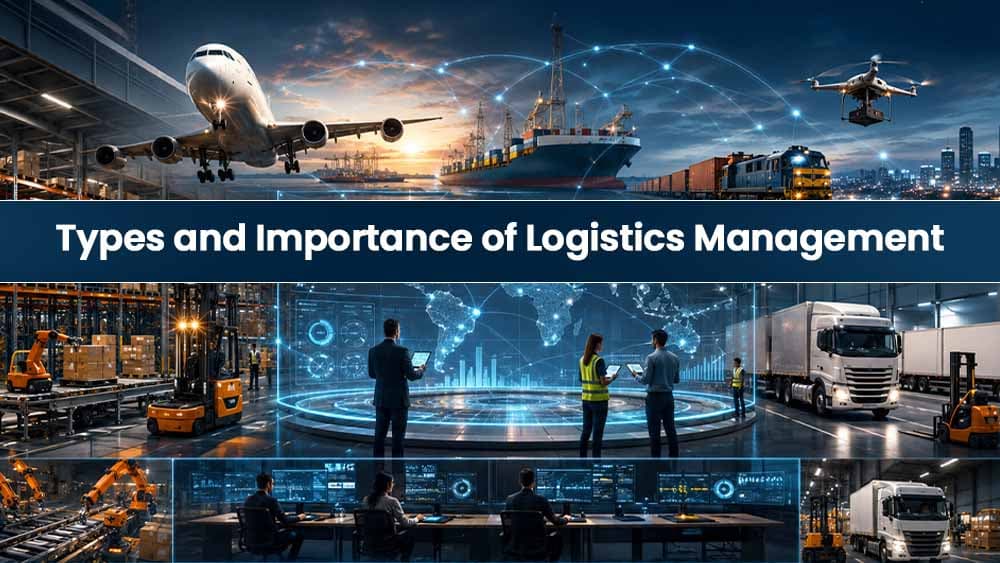
In today’s highly competitive business environment, logistics management plays a vital role in ensuring smooth business operations, timely product delivery, and customer satisfaction. From manufacturing industries to e-commerce businesses, effective logistics management helps companies reduce costs, improve efficiency, and maintain a strong supply chain network. As it falls under the entire supply chain, you can simply connect with Cognilix to automate 3PL and 4PL logistics management.
However, with the rapid growth of global trade, online shopping, and industrial production, logistics management has become one of the most important functions for businesses across industries. This article explains the different types of logistics management, their functions, benefits, and why logistics management is essential for modern businesses.
What Is Logistics Management?
Logistics management refers to the process of planning, implementing, and controlling the efficient movement, storage, and transportation of goods, services, and information from the point of origin to the final customer.
It includes activities such as:
- Transportation management
- Inventory management
- Warehousing
- Material handling
- Order fulfillment
- Packaging
- Supply chain coordination
The primary objective of logistics management is to deliver the right product to the right place at the right time while minimizing operational costs.
What Are the Different Types of Logistics Management?
There are several types of logistics management used in different industries and business operations. Each type serves a specific purpose in the supply chain process.
1. Inbound Logistics
Inbound logistics involves the transportation, storage, and delivery of raw materials, components, and goods from suppliers to manufacturers or production units.
Key Activities:
- Procurement of raw materials
- Transportation from suppliers
- Material handling
- Warehouse storage
- Inventory management
Importance:
Efficient inbound logistics ensures uninterrupted production operations and helps businesses avoid delays and shortages.
Example:
A manufacturing company receives steel, machinery parts, or packaging materials from suppliers.
2. Outbound Logistics
Outbound logistics focuses on the movement of finished goods from the manufacturer or warehouse to the final customer.
Key Activities:
- Order processing
- Product packaging
- Distribution management
- Shipping and transportation
- Last-mile delivery
Importance:
Outbound logistics directly affect customer satisfaction and brand reputation because it ensures timely product delivery.
Example:
An e-commerce company delivers products to customers.
3. Reverse Logistics
Reverse logistics refers to the process of moving goods from customers back to the manufacturer or seller for returns, recycling, repair, or disposal.
Key Activities:
- Product returns
- Recycling
- Refurbishment
- Waste disposal
- Product recalls
Importance:
Reverse logistics help businesses improve sustainability, reduce waste, and manage product returns efficiently.
Example:
Returning damaged electronic products for replacement or repair.
4. Third-Party Logistics (3PL)
Third-party logistics involves outsourcing logistics operations to specialized logistics service providers.
Services Offered By 3PL Providers:
- Warehousing
- Transportation
- Inventory management
- Freight forwarding
- Distribution
Importance:
3PL services help businesses reduce operational costs and focus on core business activities.
Example:
Companies use logistics partners like warehousing and courier service providers.
5. Fourth-Party Logistics (4PL)
Fourth-party logistics providers manage the entire supply chain and coordinate multiple logistics partners on behalf of a business.
Key Features:
- End-to-end supply chain management
- Technology integration
- Logistics optimization
- Strategic planning
Importance:
4PL solutions improve overall supply chain visibility and operational efficiency.
Example:
Large multinational companies are outsourcing complete logistics management.
6. Distribution Logistics
Distribution logistics focuses on the storage and movement of products from warehouses to retailers or customers.
Key Activities:
- Inventory control
- Transportation planning
- Warehouse operations
- Distribution network management
Importance:
It ensures products reach the market quickly and efficiently.
7. Production Logistics
Production logistics manages the movement of materials and products within manufacturing facilities.
Key Activities:
- Internal transportation
- Production scheduling
- Material handling
- Work-in-progress inventory control
Importance:
Efficient production logistics improve manufacturing productivity and minimize production delays.
8. Green Logistics
Green logistics focuses on reducing the environmental impact of logistics operations.
Key Activities:
- Eco-friendly transportation
- Fuel optimization
- Sustainable packaging
- Carbon emission reduction
Importance:
Green logistics helps businesses meet sustainability goals and environmental regulations.
Understand The Importance of Logistics Management
Logistics management is one of the most critical components of supply chain management. It impacts business efficiency, customer experience, and profitability.
1. Improves Customer Satisfaction
Timely and accurate product delivery increases customer trust and satisfaction. Efficient logistics ensures customers receive products without delays or damage.
2. Reduces Operational Costs
Effective logistics management minimizes transportation, storage, and inventory costs through optimized operations and better resource utilization.
3. Enhances Supply Chain Efficiency
Logistics management helps coordinate suppliers, manufacturers, warehouses, and distributors, ensuring smooth supply chain operations.
4. Better Inventory Management
Proper logistics planning prevents overstocking and stock shortages, helping businesses maintain optimal inventory levels.
5. Increases Business Productivity
Efficient logistics systems streamline operations, reduce delays, and improve workflow across departments.
6. Supports Business Expansion
Strong logistics networks allow businesses to expand into new markets and handle increased customer demand effectively.
7. Improves Transportation Efficiency
Optimized transportation routes and shipment planning reduce fuel consumption and delivery times.
8. Boosts Competitive Advantage
Businesses with strong logistics management can provide faster deliveries, lower costs, and better customer service compared to competitors.
Quick Look at the Key Components of Logistics Management
Successful logistics management depends on several interconnected components.
- Transportation: It involves moving goods through road, rail, air, or sea routes.
- Warehousing: This ensures safe storage of goods before distribution.
- Inventory Management: Inventory management tracks stock levels and product availability.
- Material Handling: It includes loading, unloading, packaging, and the movement of goods.
- Order Fulfillment: Order fulfillment ensures accurate processing and delivery of customer orders.
- Information Management: Technology and data management improve logistics planning and tracking.
Challenges In Logistics Management
Despite its benefits, logistics management also faces several challenges.
Rising Transportation Costs
Fuel price fluctuations increase logistics expenses.
Supply Chain Disruptions
Natural disasters, political instability, or pandemics can affect supply chains.
Inventory Management Issues
Poor inventory control can lead to stock shortages or excess inventory.
Last-Mile Delivery Challenges
Timely delivery to customers remains one of the biggest logistics challenges.
Technology Integration
Implementing advanced logistics technologies requires investment and expertise.
Role Of Technology In Logistics Management
Modern logistics management heavily depends on technology for improving efficiency and visibility.
- Warehouse Management Systems (WMS): WMS helps manage warehouse operations and inventory tracking.
- Transportation Management Systems (TMS): TMS optimizes route planning and shipment tracking.
- GPS and Real-Time Tracking: Real-time tracking improves delivery transparency and customer communication.
- Artificial Intelligence (AI): AI helps forecast demand, optimize routes, and automate logistics operations.
- Internet of Things (IoT): IoT devices monitor shipment conditions and vehicle performance.
Conclusion
Logistics management is a crucial part of modern business operations that ensures efficient movement, storage, and delivery of goods. From inbound logistics and outbound logistics to reverse logistics and green logistics, every type plays a significant role in improving supply chain performance.
Efficient logistics management helps businesses reduce costs, improve customer satisfaction, enhance operational efficiency, and gain a competitive advantage in the market. As industries continue to evolve, advanced technologies like AI, IoT, automation, and smart warehousing will further transform logistics operations.
Businesses that invest in strong logistics management systems can achieve better productivity, sustainable growth, and long-term success in today’s fast-paced global marketplace.