






Published: June 11, 2026|Author: Pradeep Mehra
Top 10 Expense Management Strategies Every Business Must Follow
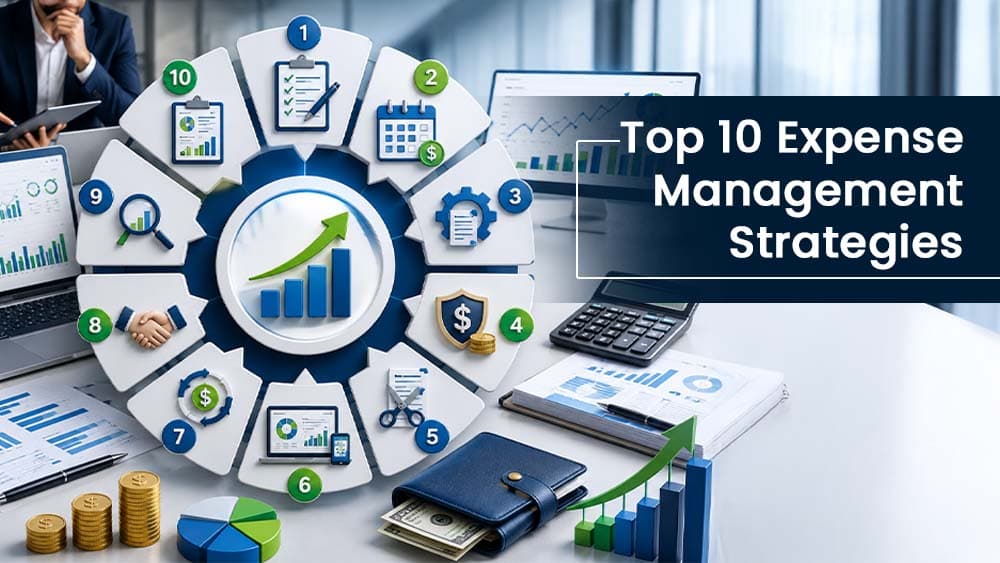
Managing every single expense during the entire business process is a very critical aspect to improve the profitability and success rate. To handle uncontrolled expenses and spending that impacts long term growth, every business should prioritize the efficiency and effectiveness of expense management. As the operational cost is rising constantly, it may be daunting to decrease the expense management while remaining competitive with the market. Therefore, following a proper and structured process to control, monitor, and optimize your expenses effortlessly.
Expense management is not only about reducing costs, but it also helps in the proper allocation of resources, improves operational efficiency, and handles every single expense to fulfill business objectives. Therefore, implementing specific strategies for managing spend can help procurement teams to stabilize their financial approach and improve decision-making.
Through this article, you will come to know about the top 10 expense management strategies that can help you manage financial stability and maximize profit for various businesses.
What is Expense Management?
Expense management is a proper and reliable process for managing, tracking, approving, and analyzing the various expenses of a business. It makes the process fluent by streamlining a healthy process, which includes procurement cost, operating cost, travel expenses, and even employee reimbursement. An effective expense management system helps organizations:
- Improve financial visibility
- Reduce unnecessary spending
- Enhance compliance
- Streamline approval workflows
- Optimize resource utilization
Why Expense Management is Important
Proper management of several other services improves the overall benefits, which include:
- Better budget control
- Improved cash flow management
- Reduced financial risks
- Increased operational efficiency
- Enhanced profitability
- Better compliance with company policies and regulations
Top 10 Expense Management Strategies for Businesses
We provide you top 10 and most effective expense management strategies, helping businesses to elevate their growth.
Establish a Clear Expense Policy: This is one of the most well-defined strategies to create a foundational policy for regulating effective expense management. This policy includes:
- Approved business expenses
- Spending limits
- Reimbursement procedures
- Documentation requirements
- Approval hierarchies
Create Detailed Budgets: Always focus on the right budgeting and allocating pacific financial slab for various resources. It helps in correcting the action that requires proper budget planning. This well-developed strategy must include
- Fixed expenses
- Variable expenses
- Emergency funds
- Growth investments
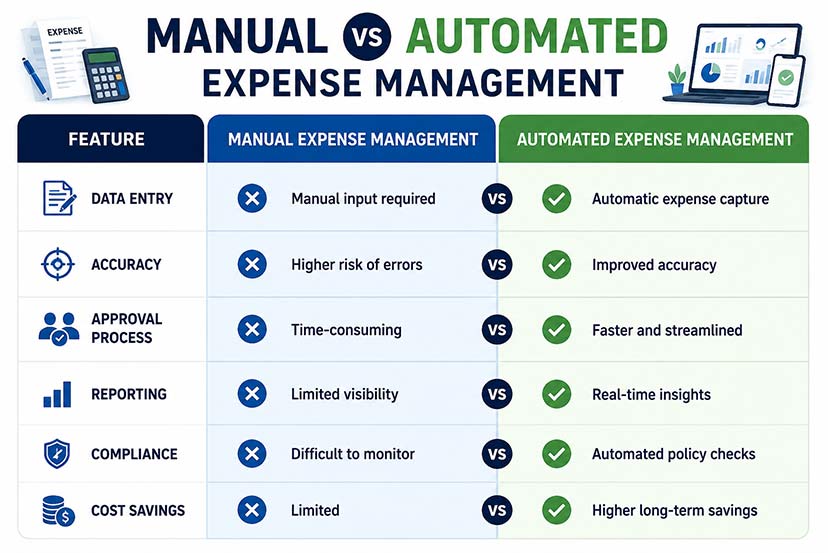
Automate Expense Tracking: this target help business to track the allocation of expenses by using software and tools. Using software like Spend Analytics can easily help you in analyzing the entire process of spend patterns and provide better visibility. It allows you to utilize features like
- Capture receipts digitally
- Track expenses in real time
- Automate approvals
- Generate detailed reports
- Improve record-keeping accuracy
Monitor Expenses Regularly: Every budget allocation and expenditure must be reviewed every month or follow a periodic pattern of quarterly financial reporting. The regular analysis includes:
- Overspending trends
- Duplicate payments
- Unnecessary subscriptions
- Policy violations
Categorize Business Expenses: Proper categorization of expenses, factors, and high-priority segments helps in forecasting financial analytics and reporting. This makes it easy to understand the important spending and opportunities. It generally includes:
- Travel expenses
- Office supplies
- Marketing expenses
- Employee benefits
- Utilities
- Technology costs
- Procurement expenses
Negotiate with Vendors and Suppliers: The most important aspect of expense management is focusing on supplier and vendor costs, which contribute to a major portion of business spending. This also improves the relationship with vendors, leading to long-term cost savings. Businesses should regularly:
- Compare supplier pricing
- better vendor management
- Renegotiate contracts
- Consolidate purchases
- Explore bulk purchasing discounts
Control Employee Travel and Entertainment Expenses: Inside an organization, it is also important to regulate the travel and entertainment expenses, which mostly organization overlook. You need to create clear guidelines for specific purposes. To manage these costs effectively:
- Set travel budgets
- Use preferred vendors
- Encourage bookings
- Define reimbursement limits
- Implement approval processes
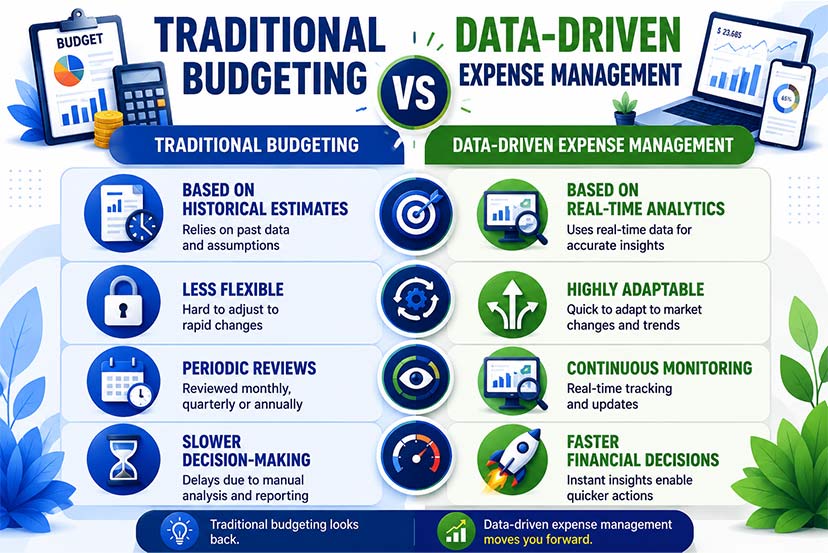
Leverage Data and Analytics: Data is the key, and for the procurement team, it plays a major role in analyzing the expenses more clearly. Data presents the actionable insights with better operational efficiency. Businesses should use analytics to:
- Identify spending trends
- Detect anomalies
- Forecast future expenses
- Measure department performance
- Improve budgeting accuracy
Conduct Regular Expense Audits: Expense audits help verify compliance and identify inefficiencies. It improves your control over financial accountability and creates a proper roadmap.
- Fraudulent claims
- Duplicate reimbursements
- Unauthorized expenses
- Process gaps
Foster a Cost-Conscious Culture: Expense management should not be limited to the finance department. It helps in:
- Spend responsibly
- Follow company policies
- Suggest cost-saving ideas
- Avoid unnecessary purchases
Best Practices for Effective Expense Management
To improve your command over expenses and maximize the effectiveness of the aforementioned strategies, you must:
- Encourage financial accountability
- Define clear approval workflows
- Train employees on expense policies
- Implement automated expense management systems
- Monitor key expense metrics
- Review budgets regularly
- Conduct periodic audits
- Use real-time reporting tools
The Role of Technology in Expense Management
Modern expense management solutions help businesses streamline processes and improve control over spending.
Key features include:
- Mobile expense reporting
- Automated receipt capture
- Real-time approvals
- Policy compliance checks
- Integration with accounting systems
- Expense analytics dashboards
Technology not only reduces administrative effort but also provides actionable insights for better financial decision-making.
Conclusion
Effective expense management is one of the primary reasons for businesses to grow and maximize profits. Whether it is about improving the cash flow, long-term business growth, or maintaining transparency, implementing spending and expense strategies plays a critical role in achieving your business objectives.
However, as we are moving forward with technology like AI and machine learning, business has started working on managing their presence through software and tools. Cognilix is the one-stop destination for businesses and enterprises to provide AI-powered spend and RFQ analytics to have control over every specific expenditure.

Pradeep Mehra
About the Author: Pradeep Mehra is a passionate content strategist and B2B technology writer with a deep understanding of industrial procurement, e-commerce, and digital transformation. With years of experience in crafting research-backed articles, marketing copies, and brand stories, he specializes in making complex topics like AI in procurement, supply chain automation, fintech, and industrial product innovation easy to understand and engaging to read. Beyond his writing, Pradeep is driven by a passion for discovering market insights and building digital communication strategies that strengthen brand connections.