






Published: February 27, 2026
What Is Data Governance? Definition, Framework, Importance and Strategies
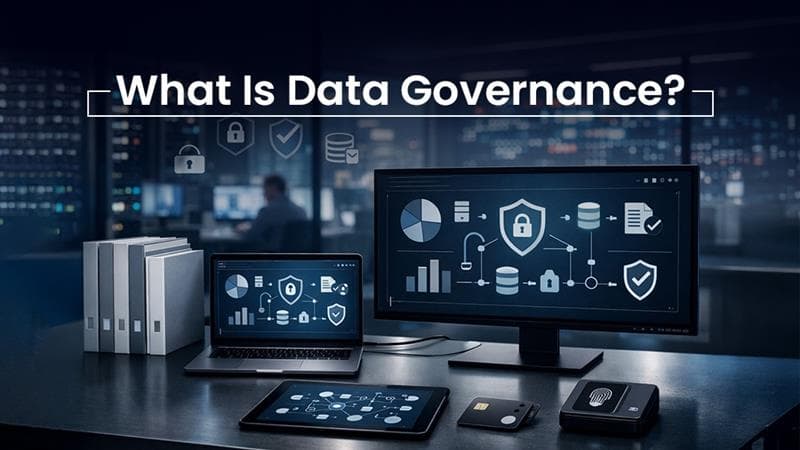
In today's competitive digital world, data has been the cornerstone to remain ahead of every competitor and drive business success. In the entire procurement process, every single source, like customer interaction, transaction, and connected devices, generates massive data that needs to be governed properly. Therefore, businesses and enterprises seek the top and best data governance tools and solutions to ensure organized, secure, precise, and accessible data to improve productivity.
Platforms like Cognilix have been serving a large number of businesses and enterprises with AI-integrated, flexible, and powerful SaaS known as Data Governance. This platform plays a major role in establishing a complete process of data quality, data security, and consistent data management across various organizations. Moving forward to this informative guide, we provide you with a comprehensive explanation of data governance and security, its framework, importance, and overall strategies that assist businesses in driving the growth of their business.
Definition of Data Governance
Data governance is an overall aspect and set of policies, responsibilities, standards, and processes that streamline the overall quality and management of data across various channels and departments in an organization. It helps in defining complete access to data, how it has been stored, used, and managed throughout the procurement process. In easier terms, Data governance means managing and controlling the data for better reliability, security, and compliance.
What are the Key Components of Data Governance and Security?
Before we dive into the information, let's have a quick look at the essential components:
Data Security: It focuses on protecting sensitive data from unauthorized access, data breaches, and cyber-attack threats.
Data Policies and Standards: Data organization also standardizes the complete flow of data while being collected, stores and even processed to get situated outcomes.
Data Ownership and Stewardship: Data governance ensures accountability in managing and protecting data assets.
Data Quality Management: It streamlines and prioritizes the accurate, consistent, and up-to-date data functionality. As we all know, the assessment of poor data can lead to wrong business decisions.
What Is a Data Governance Framework?
The framework of data governance and security means an appropriate and structured set of steps to implement every governance policy, process, and role. Let’s understand it more precisely through various points:
- Governance Structure: It defines the very specific and prioritizes leadership roles, such as data stewards, data owners, and governance committees.
- Policies and Procedures: It also consists of all the genuine and comprehensive guidelines for handling the data while storing and using it for a specific purpose.
- Technology tools: Utilizes the complete solution for reporting, data monitoring, and classifications.
- Data Quality Standards: Data governance ensures the overall consistency and reliability of data across the system.
- Master Data Governance: Data cleaning solutions help in managing the business data of their customers, suppliers, manufacturers, and even products to maintain consistency across various procurement teams and departments.
Understand The Importance of Data Governance
In the growing digital business, data governance has been a cornerstone. It assists businesses in several ways, such as:
- Improves data quality: It leads to streamlined and process-informed data with better decision-making strategies and accuracy.
- Enhances Data Governance and Security: Data governance protects and secures the data like sensitive information from being breached through cyber threats and unauthorized access.
- Ensures Regulatory Compliance: It also helps the organization by processing data protection laws and policies, while decreasing the chances of any penalties.
- Increases Operational Efficiency: The proper usage of data governance tools and platforms helps businesses and enterprises to standardize the data by reducing the probability of duplication and errors.
- Supports Better Decision-Making: Businesses can use actionable insights and strategic decisions through reliable data output.
Quick Glance at Data Governance Strategies
Many businesses and enterprises are opting for a data governance platform to stay competitive in their entire business.
1. Define Clear Policies
Create clear rules for data collection, usage, storage, and sharing.
2. Assign Data Roles
Appoint data owners and stewards responsible for managing data quality and security.
3. Implement Data Security Governance Measures
Use encryption, access control, and monitoring tools to protect sensitive information.
4. Use Technology Tools
Adopt AI procurement software solutions for automated data tracking, classification, and reporting.
5. Focus on Master Data Governance
Ensure consistency of critical business data across all systems.
6. Provide Employee Training
Educate staff about data handling practices and compliance requirements.
7. Monitor and Improve Continuously
Regular audits and performance tracking help maintain effective governance.
Conclusion
Data governance has become an important and useful tool and strategy for every business to streamline data properly. It assists in total security, quality, and support in improving decision-making. However, implementing the framework, focusing on data management, and signing powerful strategies to elevate the overall business. However, while opting for master data governance tools, you need to prioritize the platforms before purchasing. India’s leading SaaS platform, like Cognilix, has been serving many businesses and enterprises with AI-integrated data governance and cleaning tools.